

Things to Do in Algarve
A local guide
The Algarve: more than its beaches
The Algarve is one of Europe's most visited holiday regions, and the appeal is obvious: the coastline really is that spectacular. The sea arches, the ochre cliffs, the hidden cove beaches that look like they were designed for a particular quality of light in the late afternoon.
But the Algarve repays going beyond the beach. The inland hill country — the Barrocal and the Serra de Monchique — is different in atmosphere: quieter, cooler, full of cork oaks and carob trees and whitewashed farm buildings. The eastern Algarve, around Tavira and Cacela Velha, is one of the most beautiful and least visited corners of Portugal.
This guide is written by the Host Wise team. We manage vacation rentals across the Algarve and our team knows the region well — the restaurants that don't translate their menus, the beaches that are worth the walk, the season that actually suits your kind of trip.
The Algarve beaches worth knowing
The Algarve has over 100 beaches, and they are genuinely not all the same. The west coast (Barlavento) is Atlantic-facing — wilder, cooler, more dramatic. The south coast (Sotavento) is more sheltered, calmer, warmer.
Praia da Marinha: Often cited as one of Europe's most beautiful beaches. Accessed by a cliff path, backed by golden ochre rock formations. Swimming is excellent in calm conditions. Go early in summer.
Praia de Odeceixe: In the far northwest, where the river meets the sea. One of the few truly wild beaches on this stretch of coast — surfable, swimmable and genuinely uncrowded outside peak season.
Meia Praia: The long, wide beach east of Lagos. Good for families, good for swimming, less dramatic but more practical than some of the hidden cove beaches.
Cacela Velha: In the far east, overlooking the Ria Formosa lagoon. One of the most photogenic and quiet spots on the entire coast — a whitewashed village on a clifftop with a beach below accessible only by boat.
Praia do Camilo: Accessed via wooden stairs from the cliff above Lagos. Small, protected and very beautiful. Gets busy in summer; better at the start or end of the day.
The towns worth spending time in
The Algarve has more than beach resorts. Here are the towns that hold their own beyond the summer season:
Lagos: The best of the western Algarve's resort towns. A proper medieval centre, a good market, excellent bars around Rua 25 de Abril, and some of the most dramatic coastal walks in Portugal right from the town.
Tavira: In the far east, on the Gilão river. A low-key, genuinely beautiful town with excellent restaurants, a Roman bridge, Moorish castle and ferry access to the Ria Formosa beaches. Often overlooked — one of the Algarve's best surprises.
Silves: Inland, in the hills above the coast. The old Moorish capital of the Algarve — a red sandstone castle, cathedral and a town that works in all seasons. The orange and carob orchards surrounding it smell extraordinary in spring.
Loulé: The market town of the central Algarve. The covered market (best on Saturday mornings) is one of the best in the country — fish, vegetables, regional pastries, local honey and cheese. The old town around the castle is quieter and worth an hour.
Olhão: A working fishing port east of Faro with two covered markets (one for fish, one for produce) and a cube-shaped whitewashed old town with Moorish architecture unlike anywhere else on the coast.
What to eat in the Algarve
The Algarve has a distinct regional cuisine that goes well beyond grilled fish (though the grilled fish is excellent).
Cataplana: The defining dish of the Algarve. A seafood or pork stew cooked and served in a copper clamshell pot. The best versions use clams (amêijoas), prawns, fresh fish and good olive oil. Worth finding a restaurant that does it well.
Percebes (barnacles): Found clinging to rocks on the west coast, harvested by hand. Boiled and served simply. A delicacy that's an acquired texture but an immediate flavour.
Carob: The Algarve was built partly on the carob trade. Carob-based products — liqueurs, pastries, chocolates — are everywhere and worth trying. The alfarroba (carob) tree is ubiquitous in the Barrocal, the inland hill zone.
Dom Rodrigos and Morgados: Traditional Algarve sweets made from almonds, eggs and figs. The sugar architecture is extraordinary — some are shaped like fish, oranges or shells. A bag from a local bakery in Lagos or Silves is better than any airport duty-free version.
Things to do beyond the beach
The Algarve is an outdoor destination in a broad sense. Here are the activities that go well beyond lying on sand:
Coasteering and kayaking: The sea caves and rock formations along the coast — particularly around Lagos, Albufeira and Benagil — are best explored from the water. Several operators offer guided kayak and paddleboard tours to the caves that aren't accessible from land.
Benagil Cave: The most famous sea cave in Portugal. Accessible by kayak or boat from Benagil beach. Often very crowded in summer — go in spring or autumn, or early morning in peak season.
Via Algarviana: A 300km walking trail that crosses the Algarve from west to east, through the rural interior. Day sections are accessible from most accommodation bases. The Caldeirão mountains section is particularly good.
Surfing (west coast): Sagres and the beaches nearby (Beliche, Tonel, Amado) offer consistent Atlantic swell and several well-run surf schools. The west coast surf is best in autumn and winter.
Birdwatching in the Ria Formosa: The lagoon system east of Faro is one of the most important wetland habitats in Europe. Flamingos, spoonbills, purple gallinules and dozens of migratory species. Boat tours run from Faro, Olhão and Tavira.
When to visit the Algarve
Each season in the Algarve has a different character:
Summer (June–August): Peak season — hot (often above 30°C), busy on the beaches, full of life in the towns. The best time if you want the full beach experience and don't mind sharing it. Book accommodation well in advance.
September–October: Our favourite season. Still warm enough to swim, crowds are thinning, prices come down, harvest season begins. The wine country inland (Alentejo, 90 minutes north) is particularly good at this time.
Spring (March–May): Wildflowers, lower prices, comfortable temperatures for hiking and cycling. The almond blossom in February/March (particularly in the Barrocal hills) is one of the most striking natural events in Portugal.
Winter (November–February): Mild, uncrowded and increasingly popular for longer stays and remote work. Faro, Lagos and Tavira all have enough restaurants and daily life to sustain a winter month without feeling closed.
Where to stay
Algarve vacation rentals by Host Wise
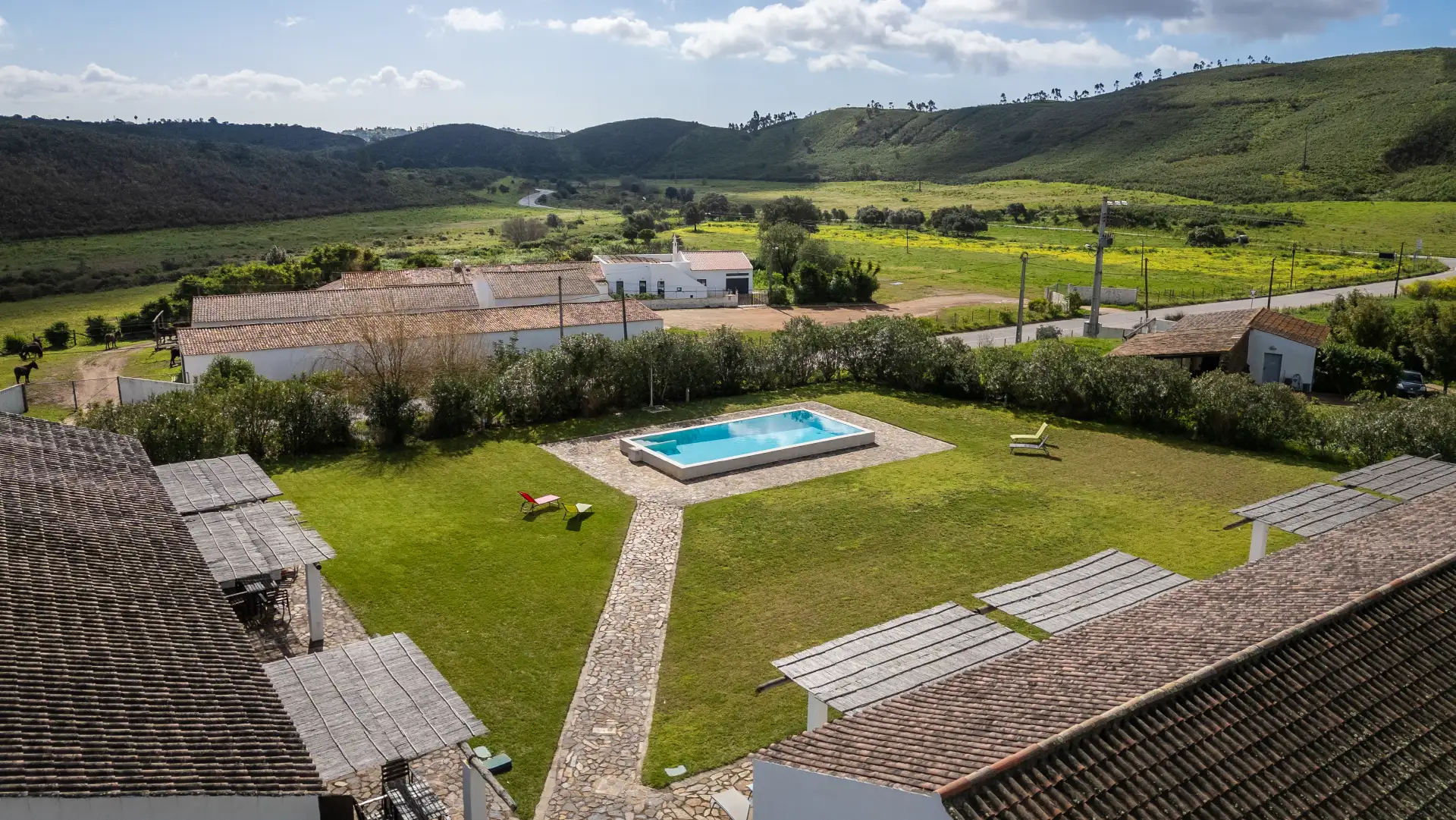
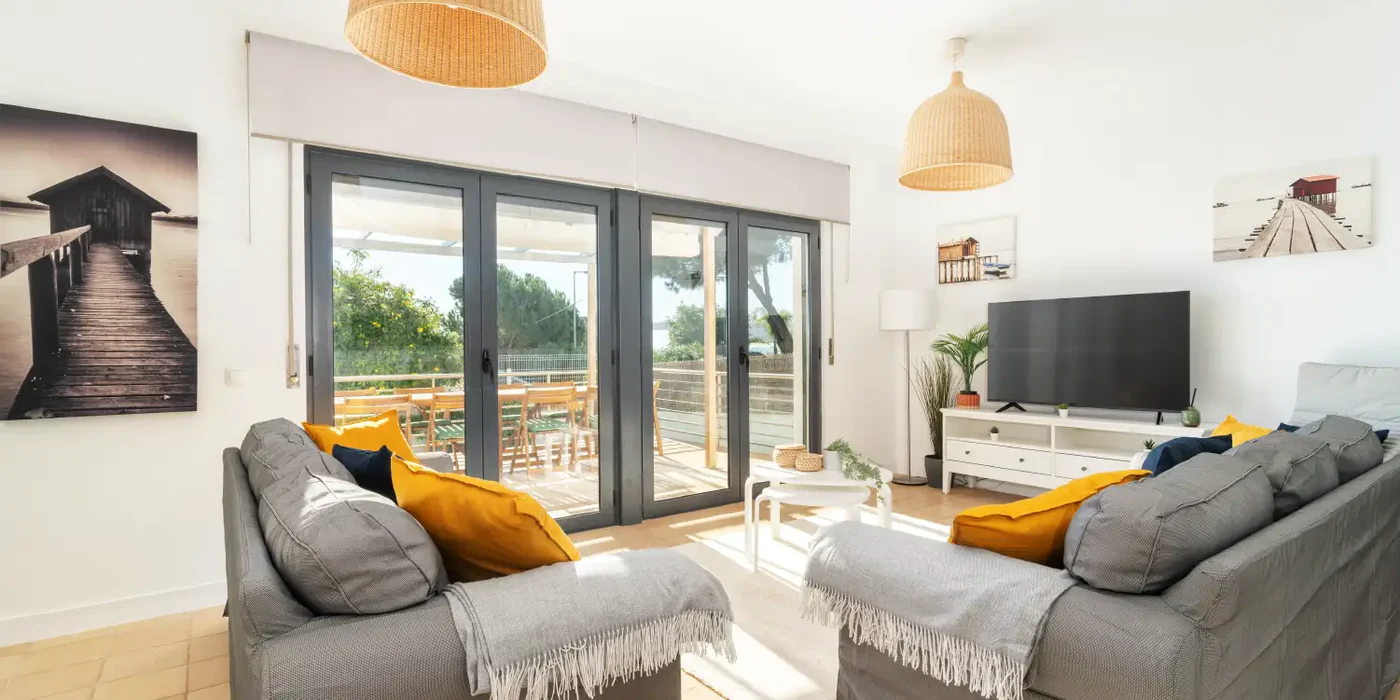
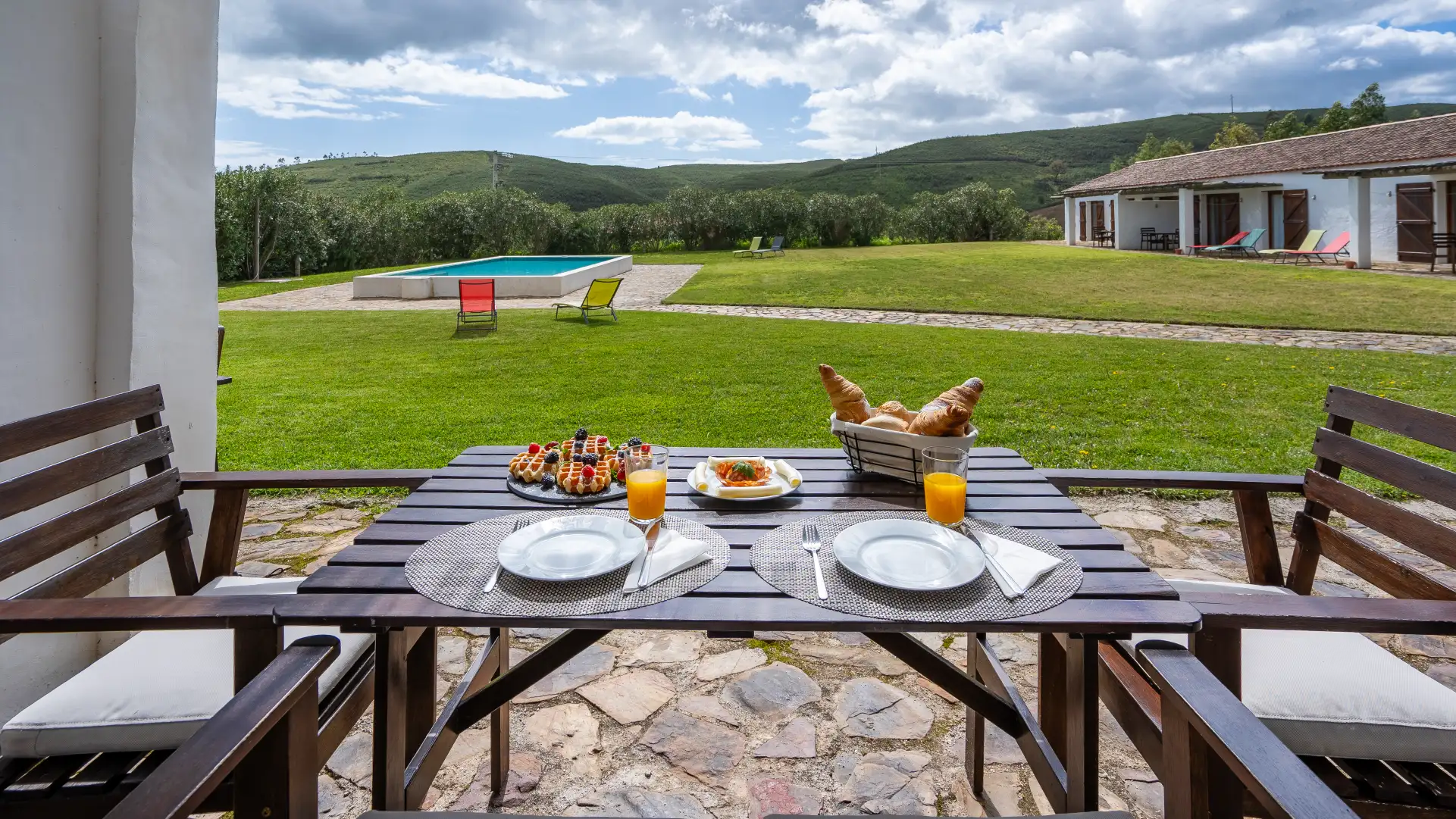
We manage holiday homes, villas and apartments across the Algarve. Every property is professionally managed by our Portugal-based team. Book direct for the best price and direct support.